

Tomorrow, we celebrate the birthday of a nation founded on the truth that every human person, made in the image and likeliness of God, possesses certain inalienable rights, including, the rights to life and liberty. Our nation is indeed great, and like any human creation, not without its imperfections. In the past ten to fifteen years, our nation’s dialogue has become increasingly divisive. Family members have estranged themselves over political discord, and violence has erupted across our nation several times over. America is hurting as it approaches its 250th year.
I can’t help but notice that so many political stances and positions have, at their foundation, the cognitive distortion of “All or nothing thinking.” All or nothing thinking occurs when people think in extremes. One example would be, “People are all good or all bad” instead of “people can do bad and good things”. In other words, all or nothing thinking occurs when we determine the entire value and moral character of a person based on a single action (or political position.)

This type of thinking can end relationships and harm our mental health. In America’s current political discourse, it is strikingly common for one individual to label another person who holds an opposing political stance as ‘bad.’ Then, it is appropriate to cancel the ‘bad’ person (instead of looking to share truth in charity.) Supporting truth is absolutely our obligation, and there are harmful and destructive political positions that undermine our natural, inalienable rights. That being said, eliminating the personhood of another for any reason, including the political positions they take, goes against truth. In this type of thinking, we eliminate the capacity of a human person to seek redemption and witness to the saving power of our Lord.
How did we get here?
The Vice of Sloth
Fr. John Hardon, in his Pocket Catholic Dictionary, refers to the vice of sloth as “sluggishness of soul or boredom because of the exertion necessary for the performance of a good work. The good work may be a corporal task, such as walking; or a mental exercise, such as writing; or a spiritual duty, such as prayer.”
We engage in the sin of sloth when we fail to do what is rightly ordered in the Spirit to avoid the spiritual, physical, or mental exertion it requires. That is, sloth is a sin of omission from doing the right thing because it is difficult.

One example of sloth would be when we avoid thinking through complicated issues out of a desire to avoid the work it requires. Another would be when we avoid uncomfortable uncertainty and the exertion of mental energy by leaping to assumptions about other human persons made in the image and likeness of God, simply because of their political affiliations. Thinking in extremes in this way reduces mental stress in the short term and seemingly simplifies our social relationships. But in the long term, it has detrimental effects to our relationships, the whole of society, and ultimately, the salvation of souls.
Working Towards Unity
Every vice has an opposing virtue that counter acts its effects! The opposing virtue to sloth is the virtue of diligence. To act in diligence, we act with attention and a desire to please the Lord. We enter into a task, whether it be spiritual, mental, or physical, with our whole self out of love.
One way to unify America on her 250th birthday is to approach conversations and commentary with diligence rooted in loving the other, and above all, loving God. When encountering a person who holds an opposing viewpoint, a viewpoint that itself might be objectively evil, do not assume the person asserting that position is themself innately evil. Instead, diligently love the other in humility with recognition that their fallen human nature (and yours) often leads to misunderstandings. And all around the world, in every age, good people, made in the image and likeness of God, have sinned or done bad things. But through the love of God Himself, in every age, good people who have done bad things, have been redeemed by Christ Himself.
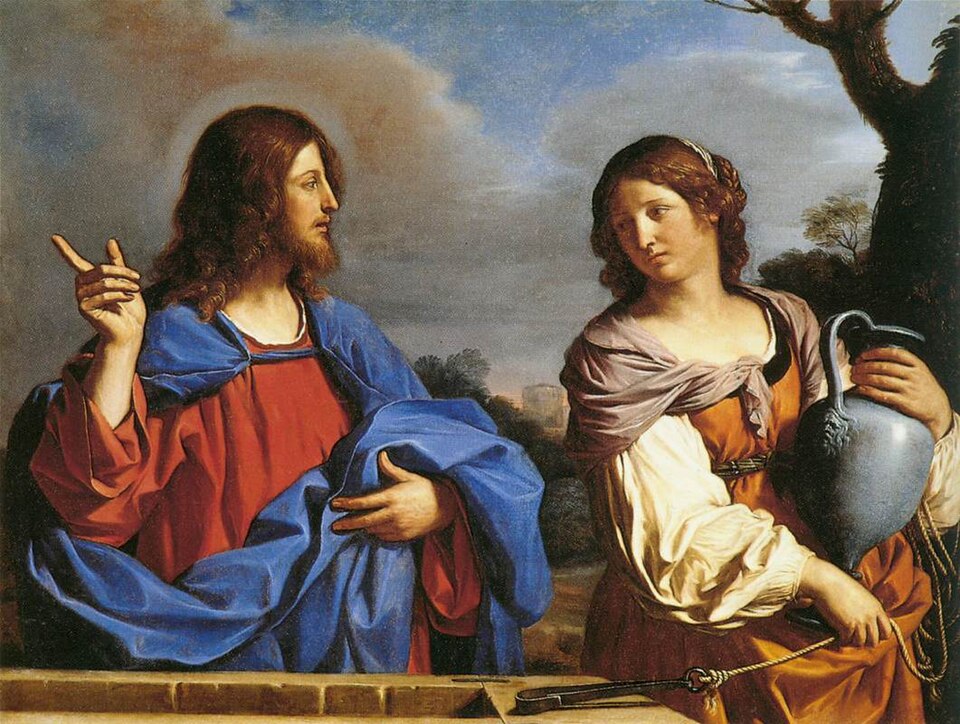
If He can die for us, might we think diligently for each other?