

"And the Word became flesh[a]
and made his dwelling among us,
and we saw his glory,
the glory as of the Father’s only Son,
full of grace and truth."John 1:14
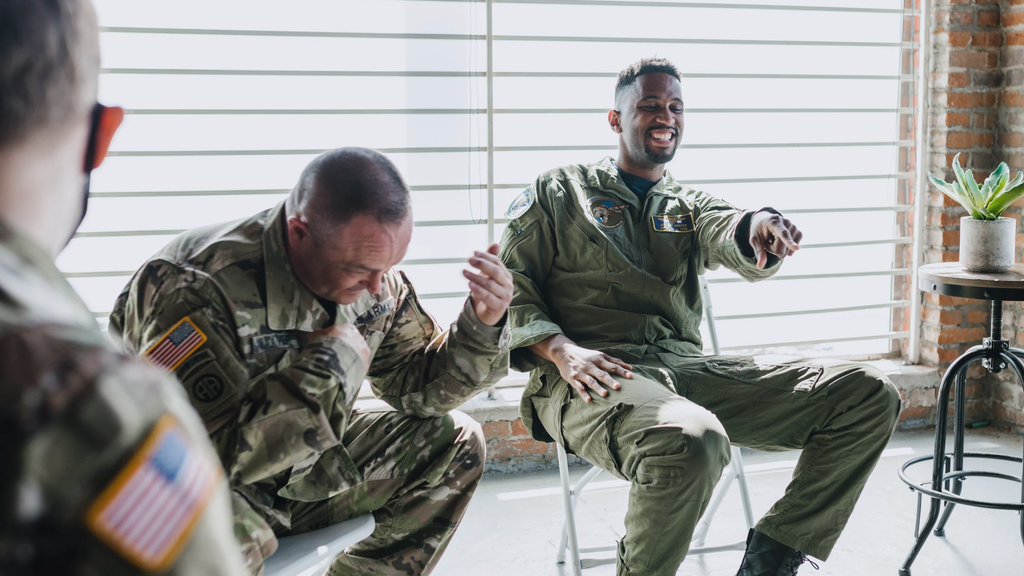
On November 11, we honor and celebrate the men and women who have served our country through the United States Armed Forces. And rightly so. These individuals are often exposed to deeply traumatizing and dangerous events for the sake of defending the common good of the United States. Veterans are diagnosed with Post-Traumatic Stress Disorder (PTSD) at higher rates than the general population. While I have yet to have the honor of working with a veteran as a mental health therapist, I work often with those who have been diagnosed with PTSD or have experienced trauma. I have observed and learned that healing from PTSD requires significant work and support through loving relationship.
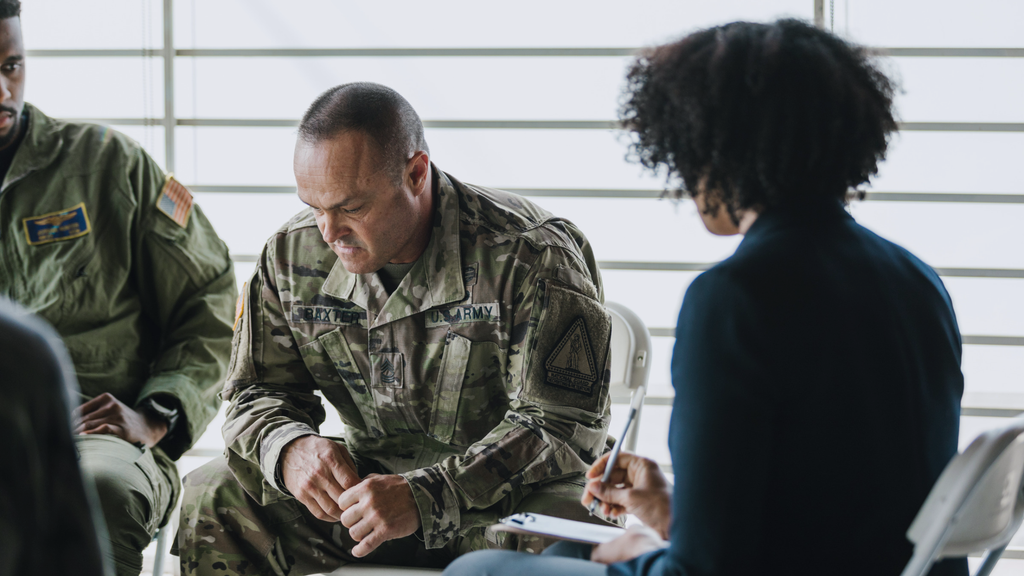
Facilitating Trauma Processing
As a therapist, one of my specialties includes working with traumatized children and adolescents. Research has shown that traumatized children and combat veterans share similar patterns of brain activity. A crucial part of my job when working with children is meeting with parents and guardians before and as I move through traumatic memories with the child in play or through words.
On top of ensuring a positive and strong relational foundation exists between myself and the children, I work to ensure that parents are able to help their children cope with feelings and thoughts that occur outside of session related to their trauma. A lot of time is spent providing children with safe ways to navigate negative feelings and thoughts before we begin speaking about their trauma.
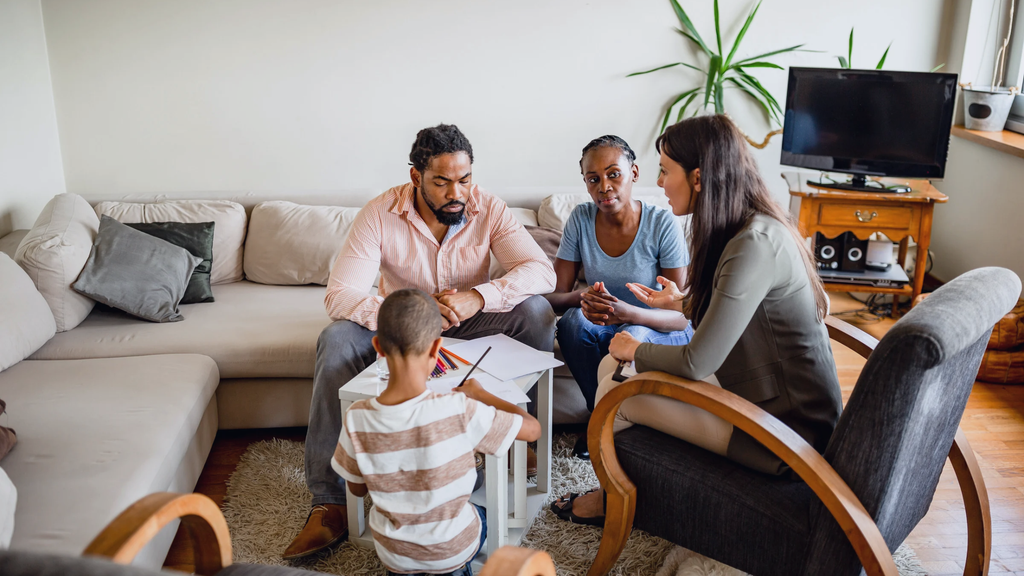
Relationships Help Us Find The Word
In most cases caregivers often worry (understandably) that talking about the trauma directly with their children will do more damage, even when it is brought up by the child or adolescent. Part of my job is to explain how healing, at times, can seem counterintuitive. If children are not given the opportunity to safely process trauma when they are ready, symptoms can worsen.
This isn't to say that we should go sharing our deepest and darkest painful memories with everyone and anyone in any setting. No. That's harmful too. It means that having opportunities to find the words to name and identify our trauma in safe and loving relationship is healing. There is power in naming our pain. When we find the Word, our minds literally start to heal. God's design is wholistic and includes our cognitive capacities! Relationships often help us find the words to process our trauma.
God's Design
As a therapist, I am continually moved by how the power of the Word actually heals the human person. When we find the words to communicate our experiences, memories, and pain, and are in safe relationships with others, we find meaning or the Lord's providence in our suffering. Fear and anxiety begin to dissipate. This is why one of my favorite homework assignments for my clients often involves letter writing!
Jesus, also known as the Word, lives where there is grace and truth. The truth of what happened to you. And the truth of our goodness that trauma often blinds us from seeing. When we find the Word, we find peace and truth again.
Let us pray for our veterans and provide intentional spaces for these brave men and women to encounter the Word as they heal!