

Pope Leo’s October Prayer Intention
“Let us pray that the mental health ministry be established throughout the Church, helping to overcome the stigma and discrimination of persons with mental illnesses.”
The mark of a saint is far from an easy life. For the month of October, Pope Leo has called upon the Church to embrace and Shepard those who live with mental illness. This week, our nation also observes Mental Illness Awareness Week. When it comes to illnesses and disorders of the mind, they can be much more difficult to recognize and diagnose than physical ailments. That’s why Mental Illness Awareness Week exists, to increase communication about the signs and symptoms of mental illness so that we can more easily identify it and help those in need.
Mental Illness is not a rare or small problem. Approximately 25% of the general population in the United States has some form of mental illness. It usually begins in early life with 75% of individuals showing signs before the age of 24. Mental illness shows up in a wide range of symptoms. These symptoms can range from mild to severe. When thinking about mental illness it can be helpful to recognize that traumatic experiences can significantly increase the risk of developing a mental illness or disorder. While not all who experience something traumatic will develop a mental illness, for many, trauma contributes to its development.
What is Trauma
The American Psychological Association defines trauma as:
“Any disturbing experience that results in significant fear, helplessness, dissociation, confusion, or other disruptive feelings intense enough to have a long-lasting negative effect on a person’s attitudes, behavior, and other aspects of functioning.”
Trauma occurs when our brains are so overloaded by an experience, we cannot process what occurred automatically. If you think of your brain as a file cabinet, trauma is the thoughts and feelings, floating around like paper in your mind that have yet to be stored properly.

Trauma always involves a form of loss. Sometimes this loss is very concrete, such as the death of a loved one or a decline in physical health. Other times the loss can be harder to see from the outside, such as the loss of one’s sense of safety, innocence, or an envisioned future. Other losses can include relationships, specific roles, or one’s sense of community.
Isolation and Trauma
Any time we lose something, we yearn to replace what was lost. This desire to replace and restore is innate to who we are as human persons made in the image and likeness of God. We desire justice. What I’ve discovered both as a mental health counselor and in my own healing journey is that this desire for justice is often an invitation to receive the Lord’s mercy. To receive the Lord’s presence and unconditional love in the places in our lives where we are isolated and abandoned. In our trauma.
What’s most striking about trauma is that many can go through severe or fear-inducing experiences without sustaining the long-term effects of trauma. Research has shown that Post Traumatic Stress Disorder most often develops when an individual does not have a strong support system after undergoing a traumatic event. Trauma for many leads to a disorder when perceived isolation follows a traumatic event or circumstance. When someone is left alone to recover.

Mercy, Where Love Meets Misery
The Lord desires to enter into this. He offers His Mercy as we struggle to accept what happened to us. His presence in this memory, thought, or feeling will continually heal us if we allow Him to enter. His presence counters the isolation that contributes to trauma which influences the development of mental illness. His presence desires not only to heal you but to extend to all involved in the events that hurt you most. Symptoms of trauma can remind us to pray for those who hurt us. They can serve as an invitation to engage in the healing ministry of Christ through prayer and offering of one’s suffering for those souls who need the most mercy in your own life. Your experience with trauma can become a ministry of the cross.
During this Mental Illness Awareness Week, perhaps you yourself are struggling with Mental illness or know someone who is. While it is important to receive support for mental illness, it can also be an opportunity for grace through the suffering it often stems from. And when the Lord is invited into this suffering, mercy can extend beyond the afflicted.
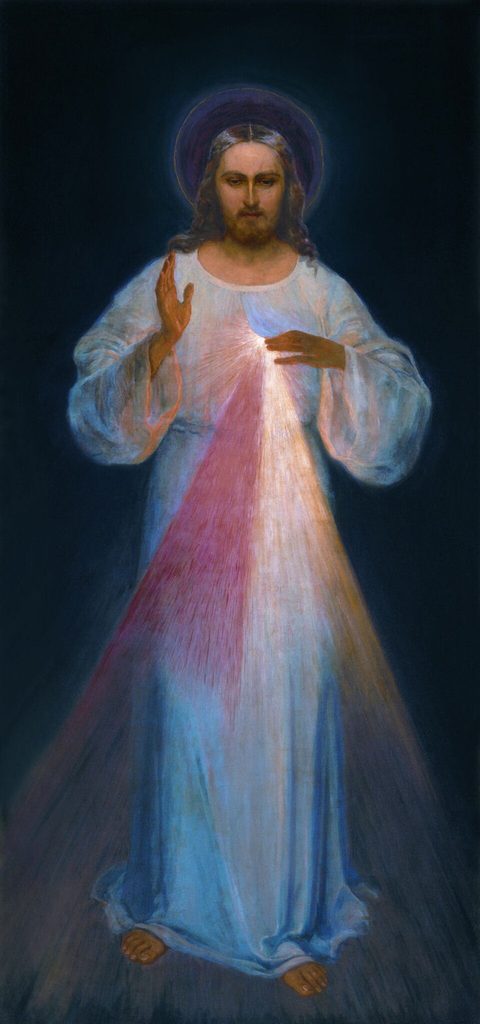
This October let us join Pope Leo in praying for and embracing those who suffer from Mental Illness. Let us also support and accompany those who have undergone traumatic experiences, nurturing all members of the Body of Christ! Jesus, I trust in You!
If you are a member of CMF CURO, we are happy to help you locate a Catholic counselor or therapist in your area! Call us at 800-840-7471.
*If you believe you are in a mental health crisis please call 988
*If you believe you are in immediate danger please call 911 or visit your closest Emergency Room.